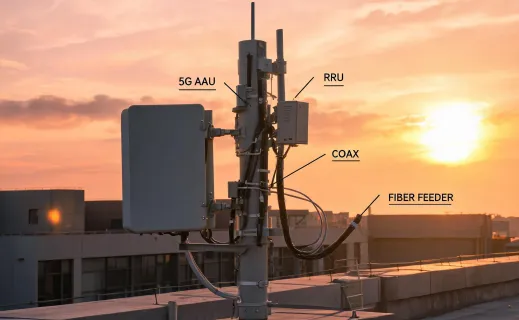
Mobile Carriers
5G NR n78/n258, lower handover latency, and RF calibration data help operators add capacity without hiding site-level interference risk.
Qualcomm industry applications are not generic market labels. Each environment brings different constraints: carrier spectrum planning, data-center fabric load, public safety priority handling, enterprise PoE budgets, smart city battery life, and mobile device AI workloads. The role of an innovation-led wireless platform is to keep those constraints visible while product teams make silicon, module, RF, and software decisions.

Each card links a use case to a communications metric, protocol, or deployment condition so the page stays grounded in network work.
5G NR n78/n258, lower handover latency, and RF calibration data help operators add capacity without hiding site-level interference risk.

400G/800G fabric, edge AI traffic shaping, and SRv6 telemetry support accelerator clusters and regional inference workloads.

Priority traffic, resilient backhaul, and mission-critical voice depend on stable RF coverage and carefully defined failover paths.
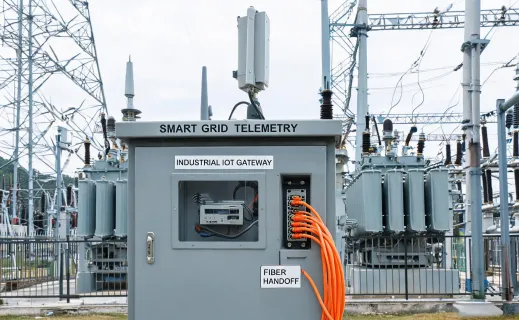
NB-IoT, LTE-M, GNSS timing, and secure device identity help utilities balance telemetry reach, battery life, and operational continuity.
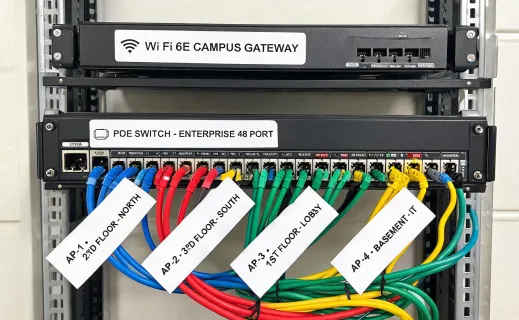
Wi-Fi 6E 6 GHz, private 5G, and 802.3bt PoE budgets connect conference spaces, machine vision, access control, and mobile staff.
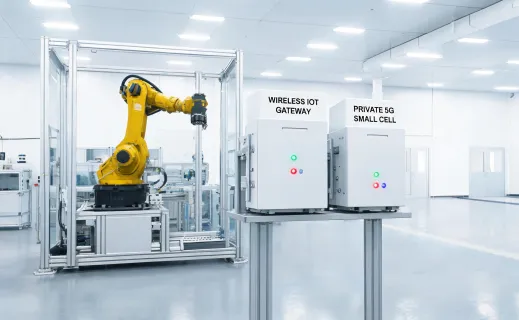
On-device AI, deterministic wireless links, and local inference help robots react without relying on a distant cloud round trip.
Share the end market, deployment band, expected device density, backhaul capacity, edge AI workload, compliance region, and operating environment. The response can identify which assumptions belong in lab validation before product or network rollout.